Smarter Brake Light Safety
Brake systems help trucks slow down. JakeLight helps other drivers understand that it’s happening. Rather than relying on pedal pressure, JakeLight uses real-time vehicle data to activate brake lights only when deceleration is genuine. Core Innovation Smart Detection Monitors engine retarder, transmission retarder, and deceleration using J1939 CAN data. Accurate Activation Brake lights trigger only when deceleration exceeds calibrated thresholds and a retarder is active. Simple Integration Designed for plug-and-play installation—ideal for both OEM manufacturing and retrofit applications. Compliance & Protection Fully FMVSS 108 and SAE J1939 compliant with patented logic and hardware architecture. Real-World Performance Fleet testing confirms: Faster reaction time from following drivers Greater safety awareness on downgrade routes Reduction in rear-end collisions and near-miss instances “Since adding JakeLight to our downhill routes, our near-miss incidents have dropped noticeably. It’s peace of mind—and proof of innovation.”— Fleet Safety Director, National Carrier Group Why It Matters Standard brake systems communicate pedal pressure. JakeLight communicates real deceleration, providing a more truthful and reliable safety signal. Conclusion JakeLight turns critical slowdown moments into clear warnings—before accidents happen.
A Safety Risk
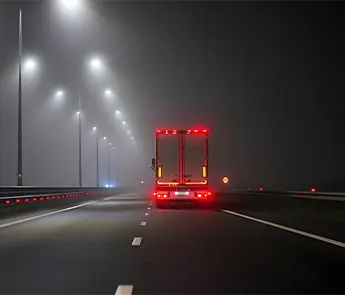
Some aftermarket systems trigger brake lights the moment a retarder engages. Although well-intentioned, this often creates false brake alerts when the truck isn’t truly slowing down, leading to confusion and riskier reactions from trailing drivers. The Problem with “Always-On” Retarder-Based Signaling Not every retarder engagement results in real deceleration Brake lights may activate even if vehicle speed is stable Following drivers react based on incorrect assumptions This inconsistency can lead to panic braking or unnecessary evasive maneuvers. The Hidden Danger of False Positives False brake signals: Reduce driver trust Increase risk of sudden braking Can lead to chain reaction collisions Compromise safety integrity How JakeLight Solves It Instead of reacting to switch flips, JakeLight analyzes: Retarder status Real-time vehicle deceleration CAN bus data (J1939) Engine torque & transmission inputs Why Precision Matters Accurate brake signaling helps: Improve driver reaction times Maintain safe following distances Reduce accidents and liability Support higher CSA and fleet safety scores Conclusion Not all brake activations improve safety. Only calibrated, data-driven deceleration signals do.
A Hidden Truck Hazard

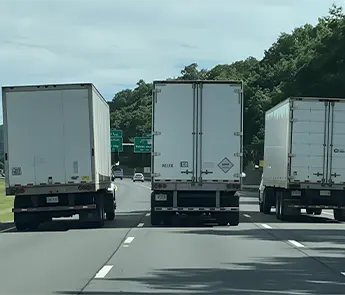
Modern heavy-duty trucks use advanced retarder systems to slow down without touching the brake pedal. While these technologies help reduce vehicle wear and improve control, they often do not illuminate the brake lights—leaving trailing drivers unaware that the vehicle ahead is decelerating. The Problem: Invisible Deceleration Trucks commonly slow using engine or transmission retarders, yet traditional brake light systems only activate when the pedal is pressed. This creates a dangerous communication gap between heavy-duty vehicles and the drivers behind them. “Over 25% of truck rear-end collisions involve deceleration without visible brake signals.” — FMCSA Data Why Brake Pedal-Based Signaling Is Not Enough Retarder engagement does not guarantee brake pedal movement Vehicles may slow rapidly—without any brake lights Following drivers receive no visual warning, reducing reaction time The Impact on Fleet Safety Increased risk of rear-end collisions Poor visibility on declining grades Higher insurance claims and operational costs Reduced confidence among trailing drivers The Direction Forward: Intelligent Deceleration Signaling Braking communication must evolve. fleets require a system that determines actual deceleration, rather than depending solely on pedal activation. Conclusion Silent deceleration is an overlooked safety threat. A smarter signaling system—one that reacts to real vehicle slowdown—is essential.